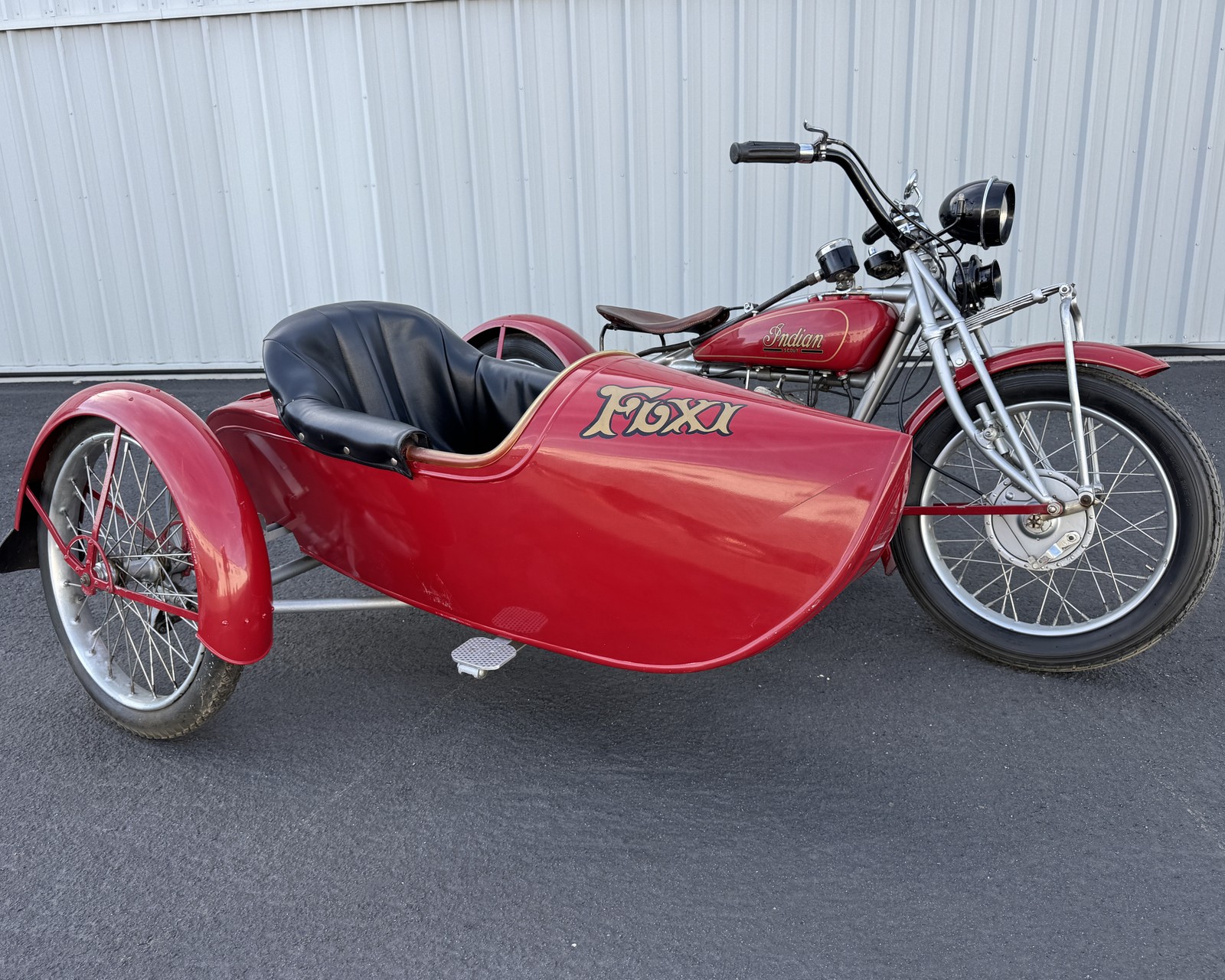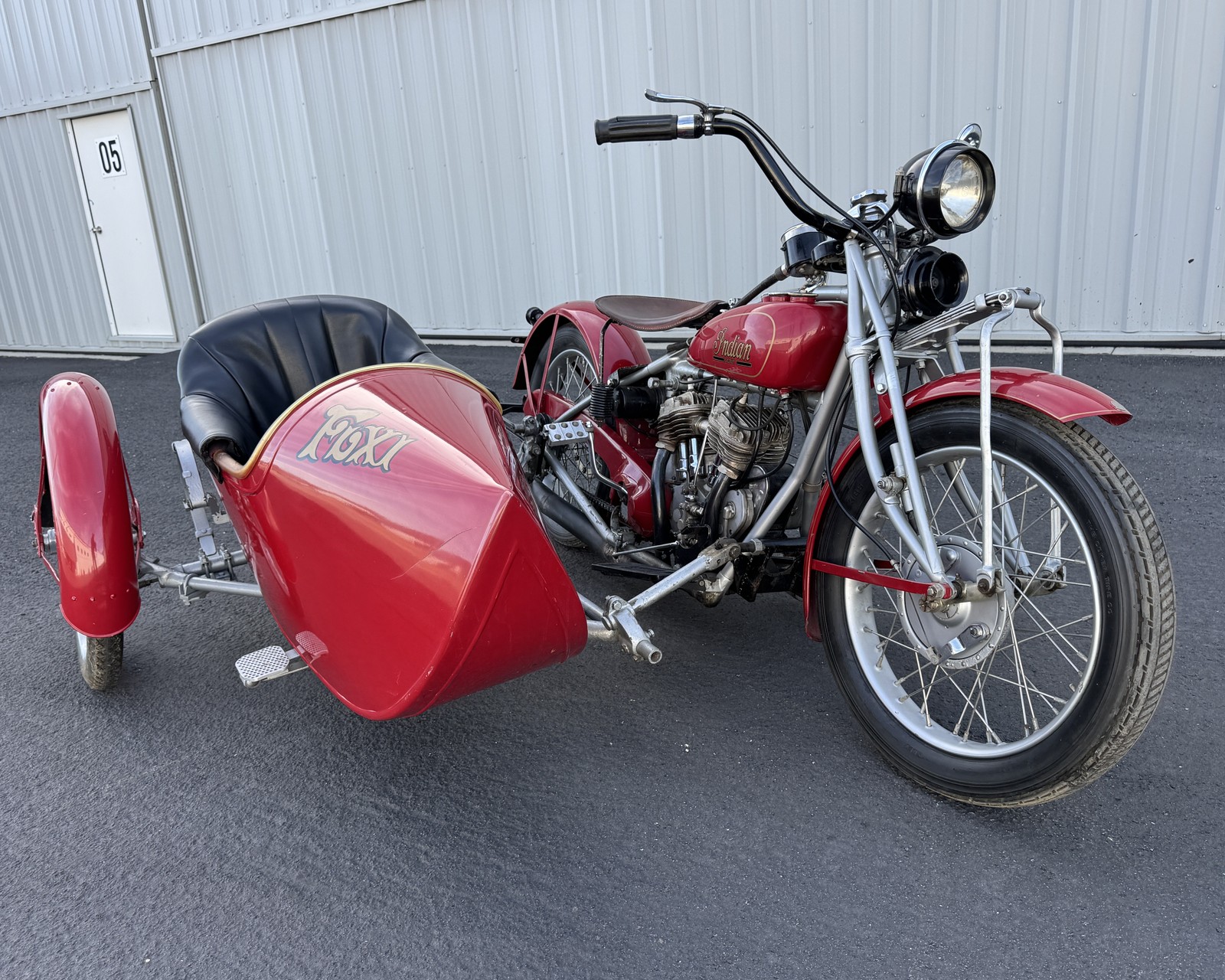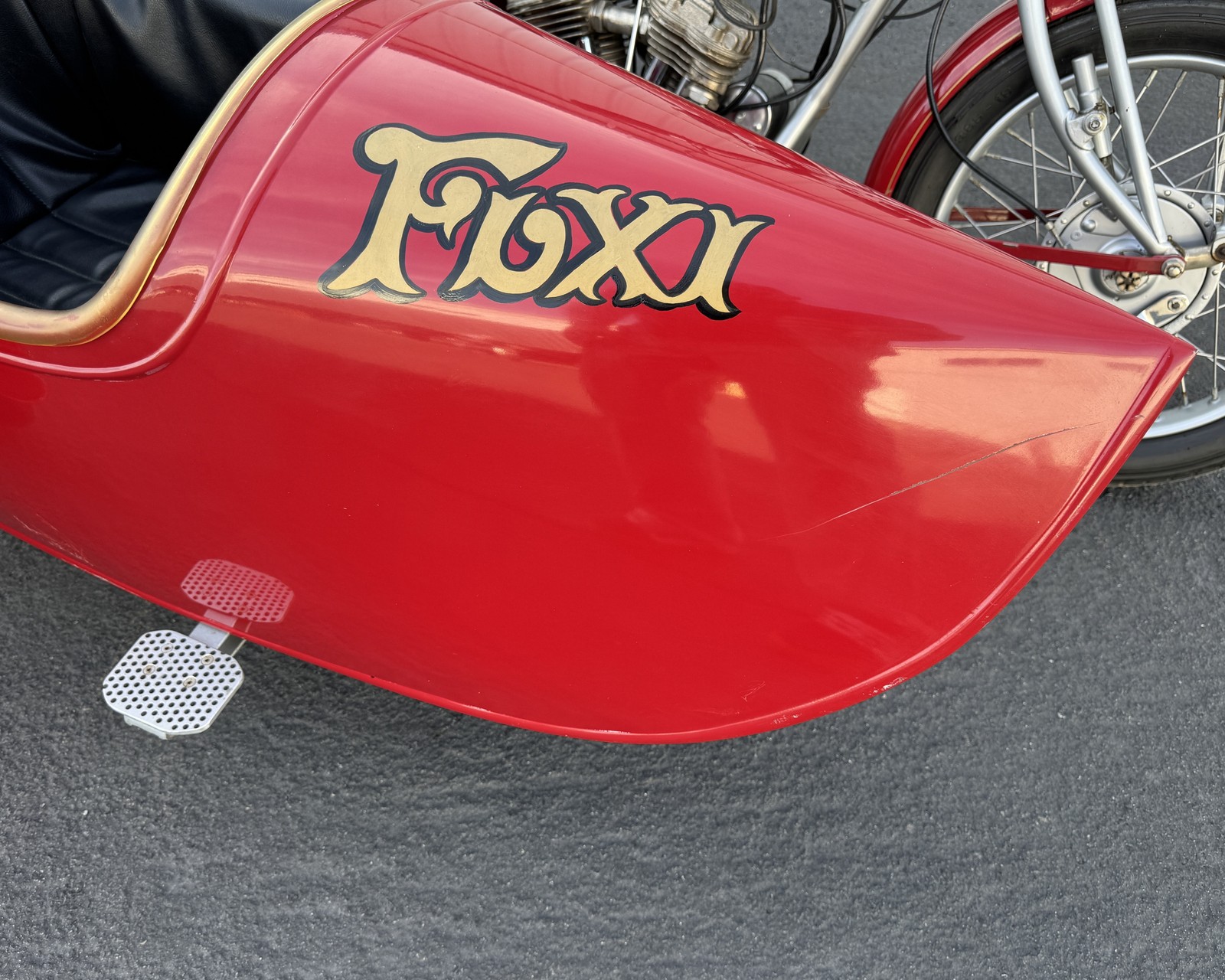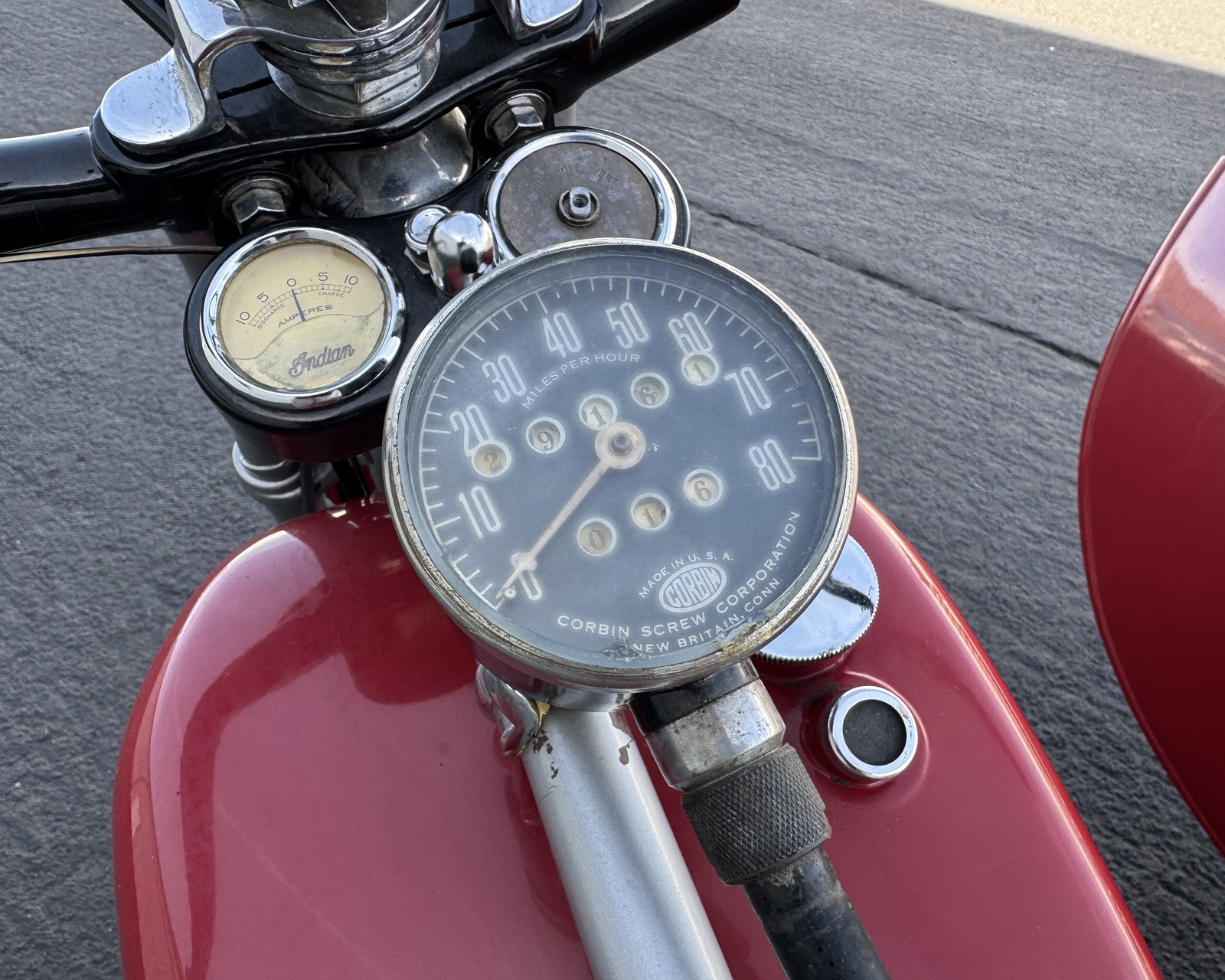



1929 Indian 101 Scout with Rare FLXI Sidecar
Part of the Hanger Collection
Year: 1929
Make: Indian
Model: 101 Scout
Color: Red
Engine Size: 750cc - 45"cu
Cylinders: 2
Transmission: 3 Speed
Mileage: unknown
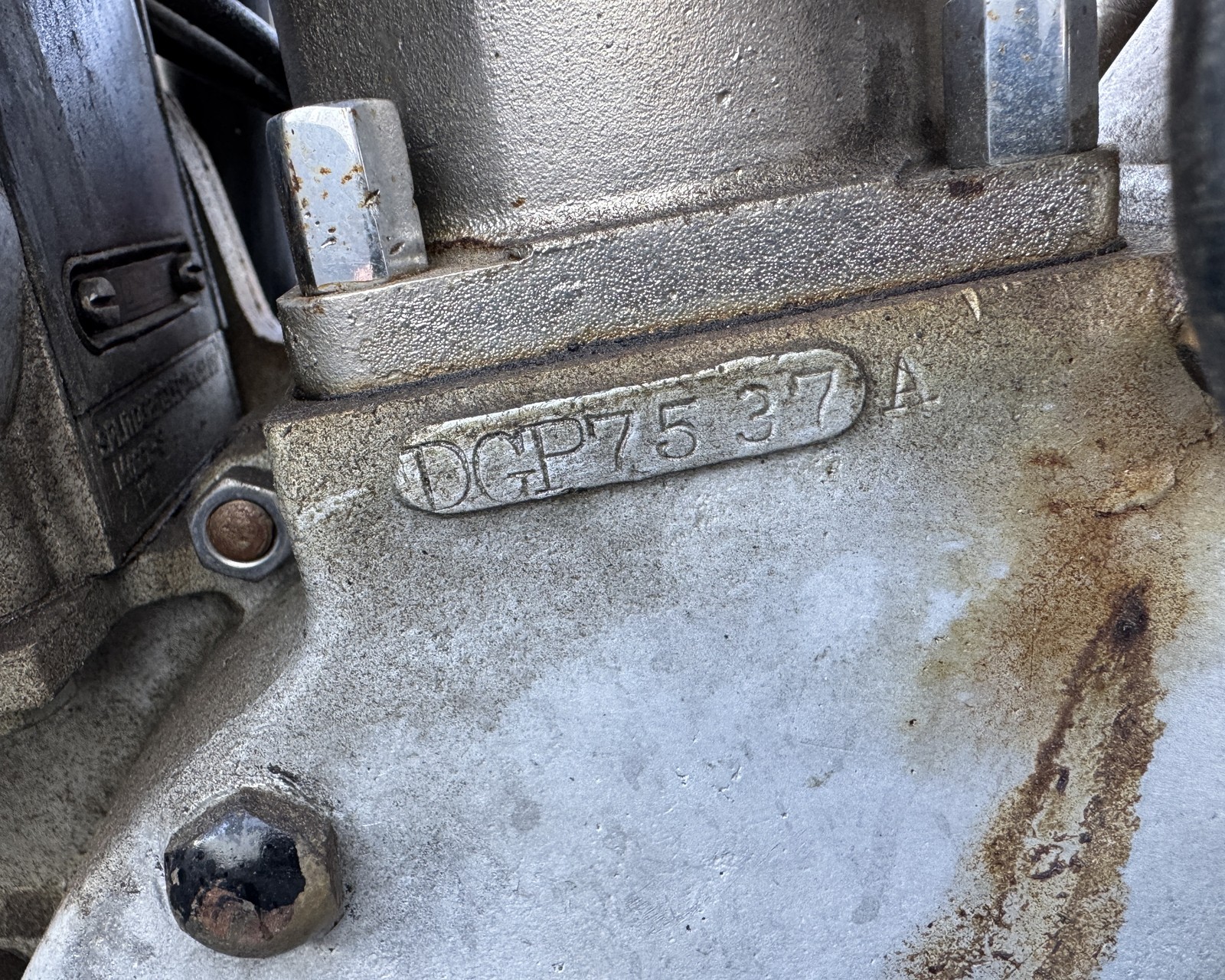
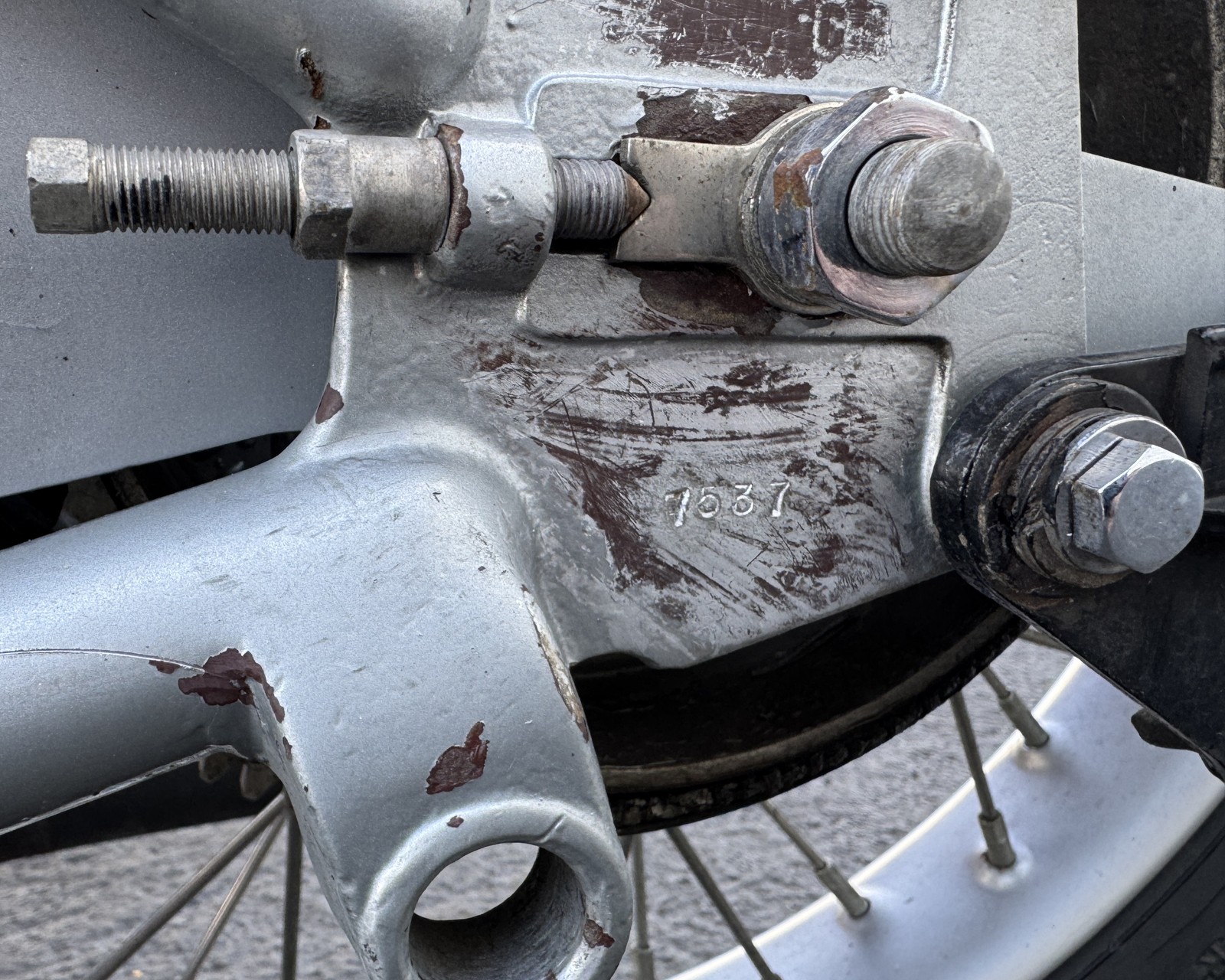
VIN Number: DGP7537 (=1929)
Belly Numbers: N/A
Frame Number: N/A
Motorcycle Currently Registered: Yes
Ownership: Clear Title in Owners Name
Motorcycle Location: Carson City, NV
Sheet Metal:
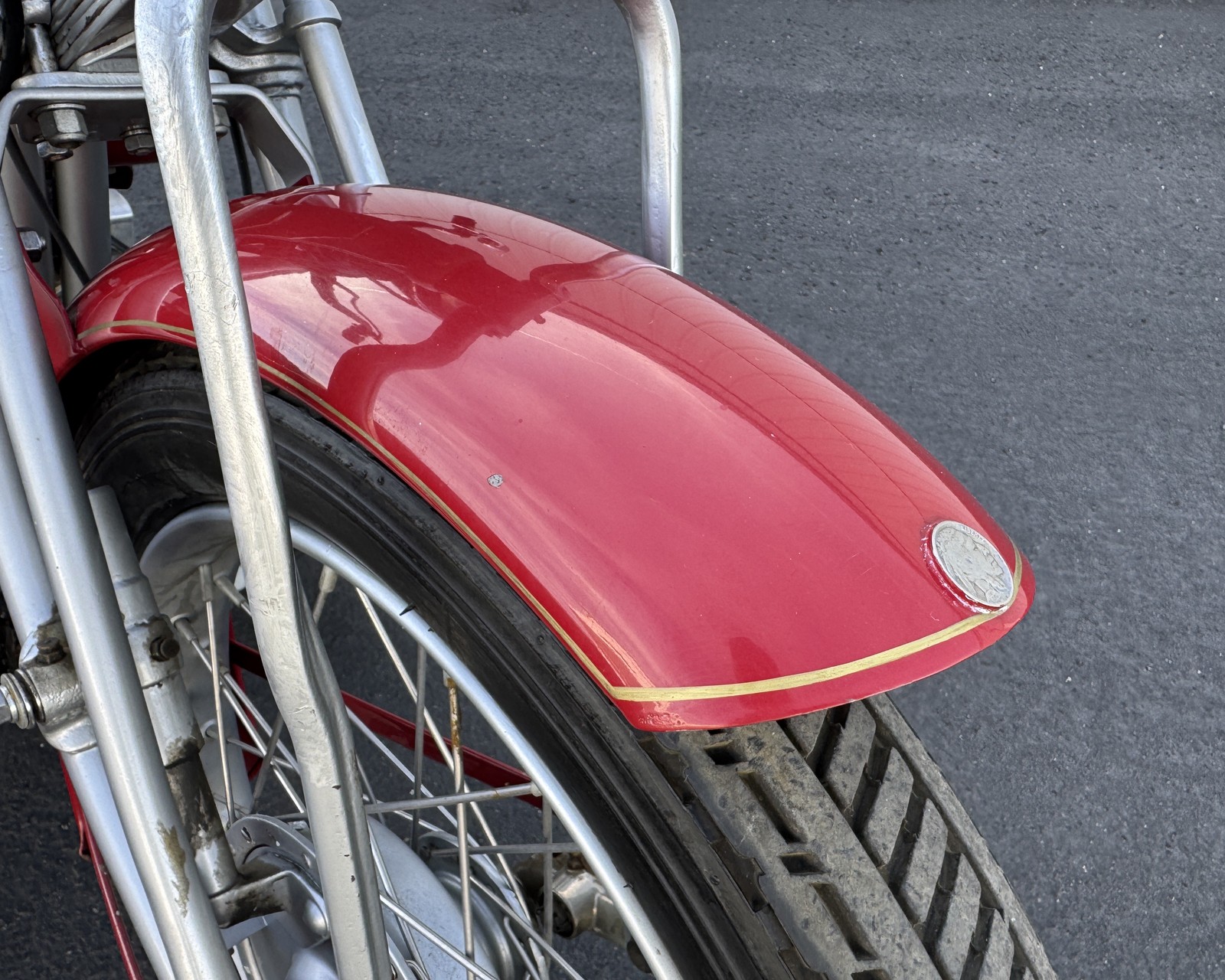
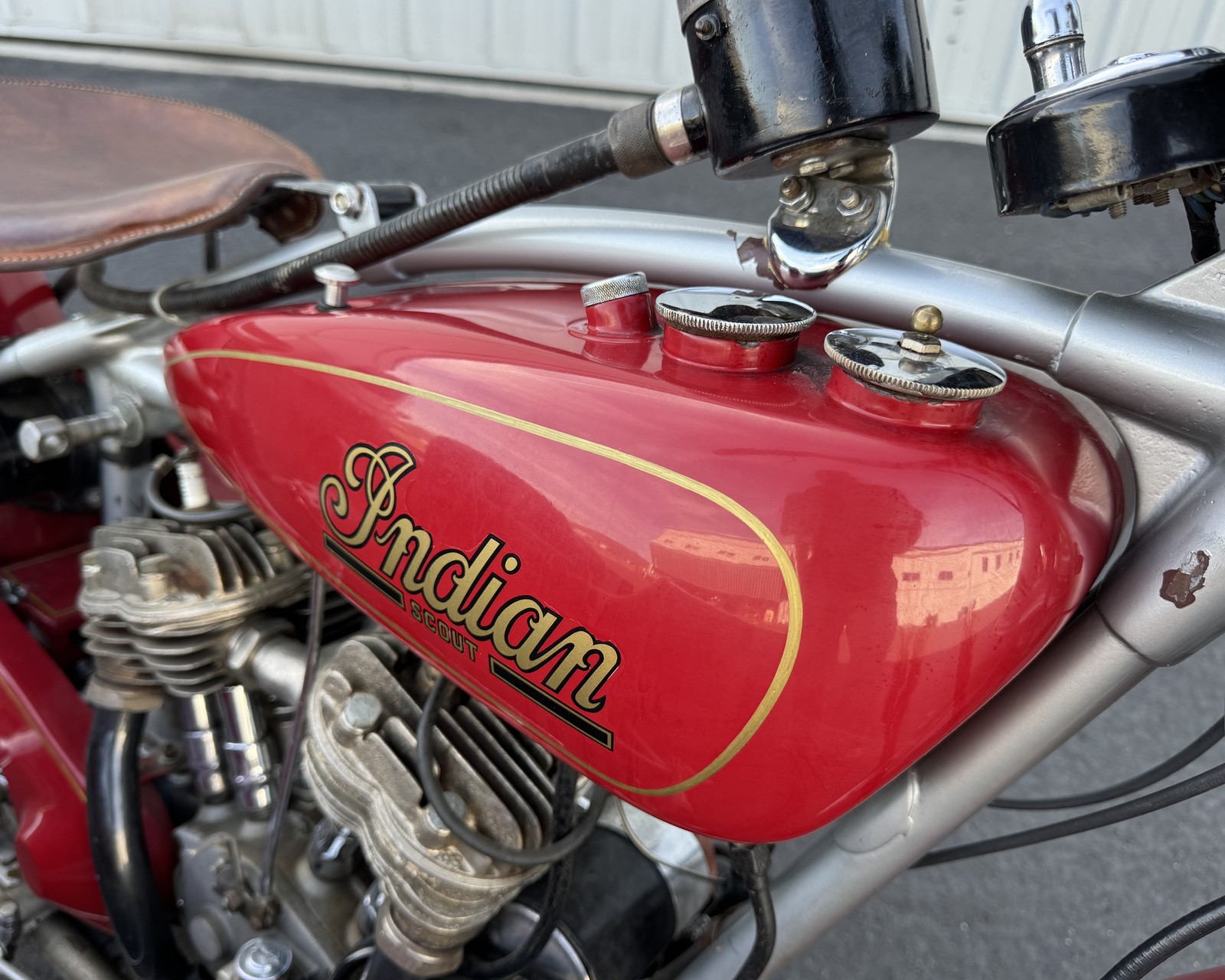
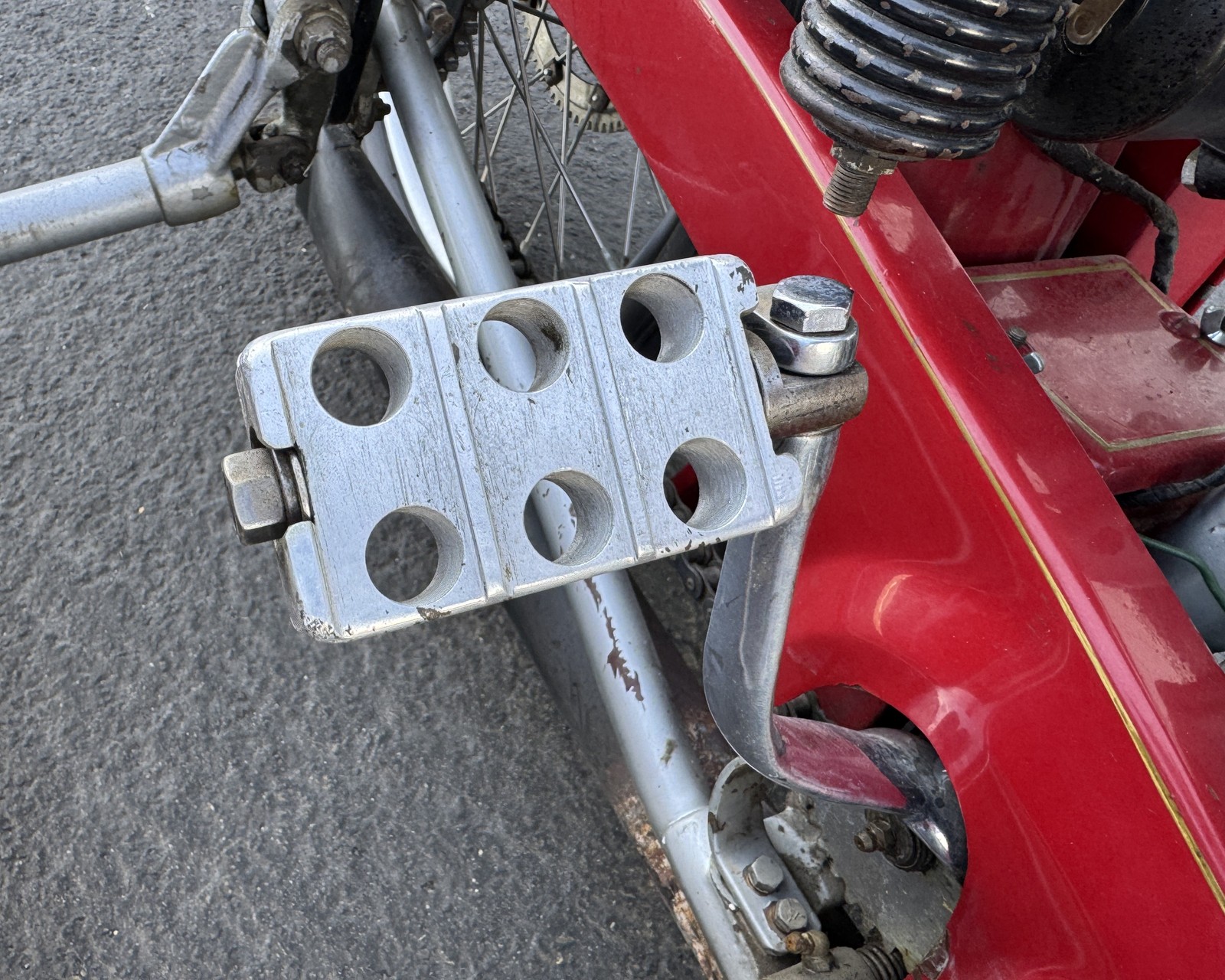
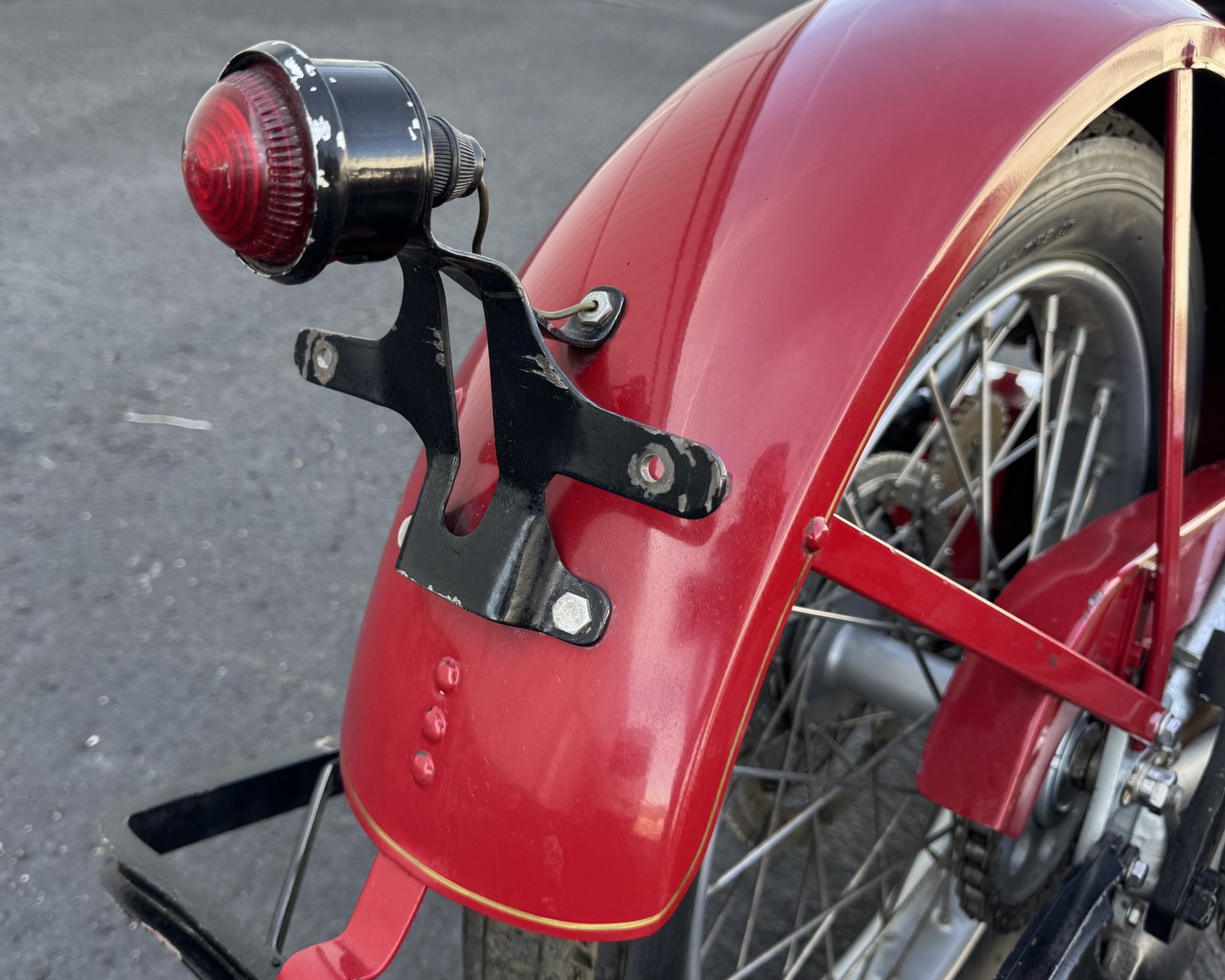
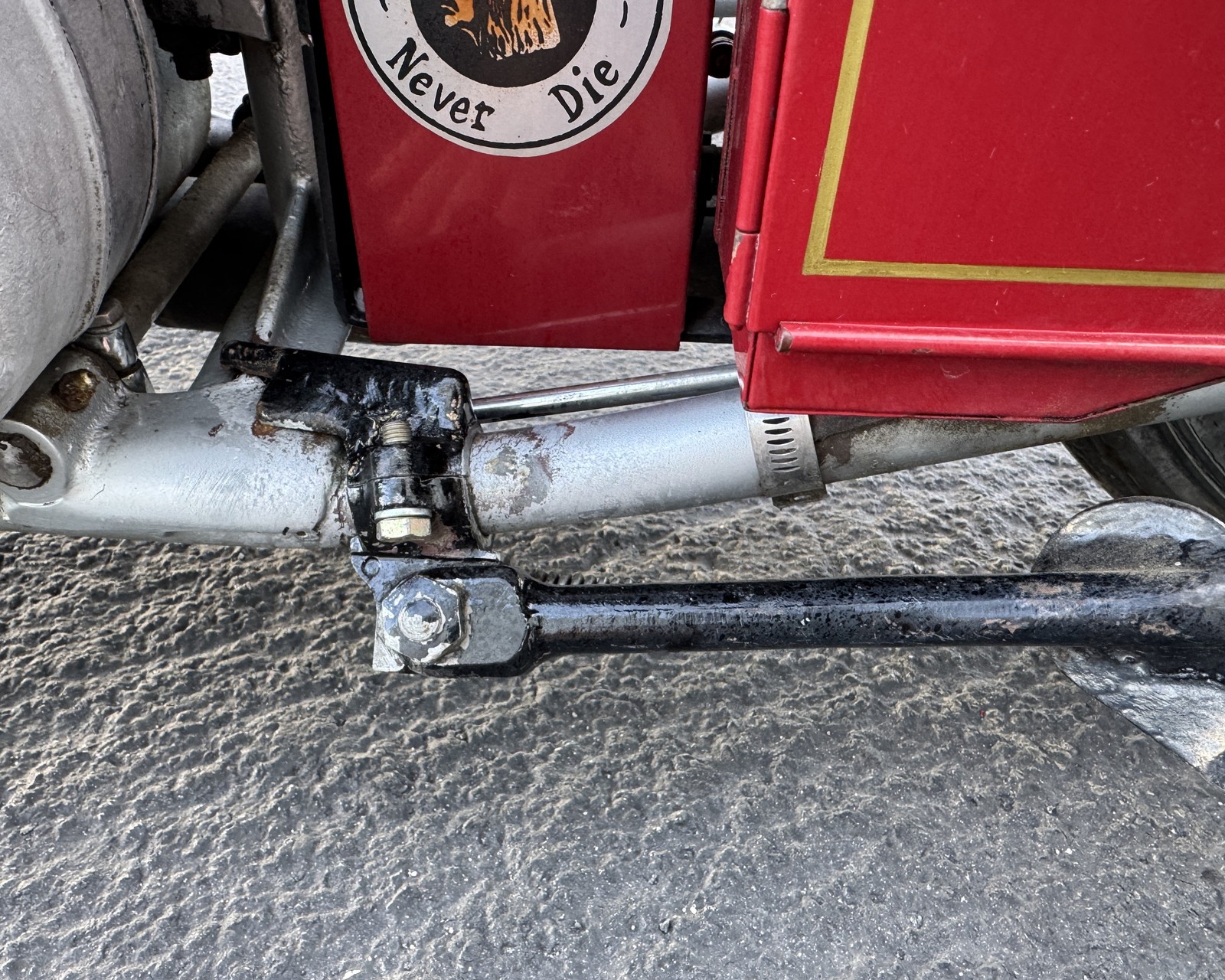
Sheet Metal is in great condition, front fender is custom, tanks are in great shape, and rear fender is original in great shape. Some customization completed to marry the car to the bike. An extra bar is available to convert to static operation of the Flexi.
Paint Condition:
Restored over 30 years ago this paint is still in great condition and still has great shine, of course there are some blemishes from normal wear and tear and storage
Chrome / Nickle / Misc. Plating Condition:
in great condition for the age.
Wheel and Tire Condition:
Motorcycle is outfitted in 18" drop center rims, with 3.85 x 18 tires. The tires hold air and roll great but would be advised to replace if you wish to ride
Sidecar is a 20" clincher style wheel, holds air and rolls great but would recommend changing if you wish to run and ride regularly
Mechanical Condition:
This Indian 101 sidecar outfit was running great when parked. It was restored and rebuilt by famous Indian riders/mechanics prior to acquisition by current owner. This rig participated in west coast AMCA events in the 80's
Valuation:
This 1928 Indian Scout is valued between and Excellent Condition Plus $12,500 for the flexi
Hagerty Value Guides:
Concours $75,600
#2 Excellent $50,800
#3 Good $26,100
#4 Fair $20,800
1929 Indian 101 Scout
A Legendary American Motorcycle -- The Benchmark of Pre-War Handling
Few motorcycles command the reverence of the Indian 101 Scout. Produced for only a brief window from 1928 through 1931, the 101 series represents the absolute pinnacle of the original Scout design and is widely regarded by historians and enthusiasts as the finest-handling American motorcycle of the pre-war era. The model was engineered under the direction of Charles B. Franklin, whose brilliance helped establish Indian's reputation for performance and racing dominance in the early twentieth century.
Introduced in 1928 by the legendary Indian Motocycle Company of Springfield, Massachusetts, the 101 Scout represented a dramatic evolution of the earlier Scout platform first introduced in 1919. Franklin's design centered around a completely new frame geometry, incorporating increased fork rake, a longer wheelbase, and a notably lower seat height. The resulting motorcycle possessed a balance and agility rarely seen in machines of its time--so refined that riders often described the 101 Scout as feeling almost modern in its handling.
At the heart of the machine lies Indian's dependable 45-cubic-inch (750cc) side-valve V-twin, a robust and beautifully engineered powerplant delivering smooth torque and impressive durability. Fed through a Schebler carburetor and paired with a three-speed gearbox and chain final drive, the Scout offered performance that was both spirited and remarkably reliable.
Yet it was not merely the engine that made the 101 Scout legendary--it was the way the motorcycle rode. Its low center of gravity and carefully tuned chassis created a machine that could corner with remarkable precision and stability. These qualities quickly made the 101 Scout the preferred weapon of hill-climb racers, endurance riders, police departments, and traveling stunt performers, including those who rode the infamous vertical motordrome exhibitions known as the Wall of Death.
Despite its brilliance, the 101 Scout's production life was short. As the economic pressures of the early Great Depression forced Indian to rationalize manufacturing, the costly 101 frame was replaced in 1932 with a heavier chassis shared across multiple models. While the new design simplified production, many riders felt the magic of the 101 had been lost. To this day, collectors and historians consistently point back to the 1928-1931 Scouts as the high-water mark of Indian engineering.
Today, surviving examples of the 101 Scout occupy a special place within the pantheon of American motorcycles. Revered by collectors, racers, and historians alike, the model represents a rare convergence of engineering excellence, historical importance, and timeless mechanical beauty. Machines of this caliber do not simply represent transportation from another era--they embody the spirit of early American motorcycling, when innovation, competition, and craftsmanship shaped the legends we celebrate today.
Technical Highlights
- Engine: 45 cu in (750cc) 42° V-Twin, side-valve
- Bore x Stroke: 2.88 in x 3.50 in
- Carburetor: Schebler
- Ignition: Magneto
- Transmission: 3-speed manual
- Primary Drive: Helical gear drive
- Final Drive: Chain
- Front Suspension: Leaf-spring parallelogram fork
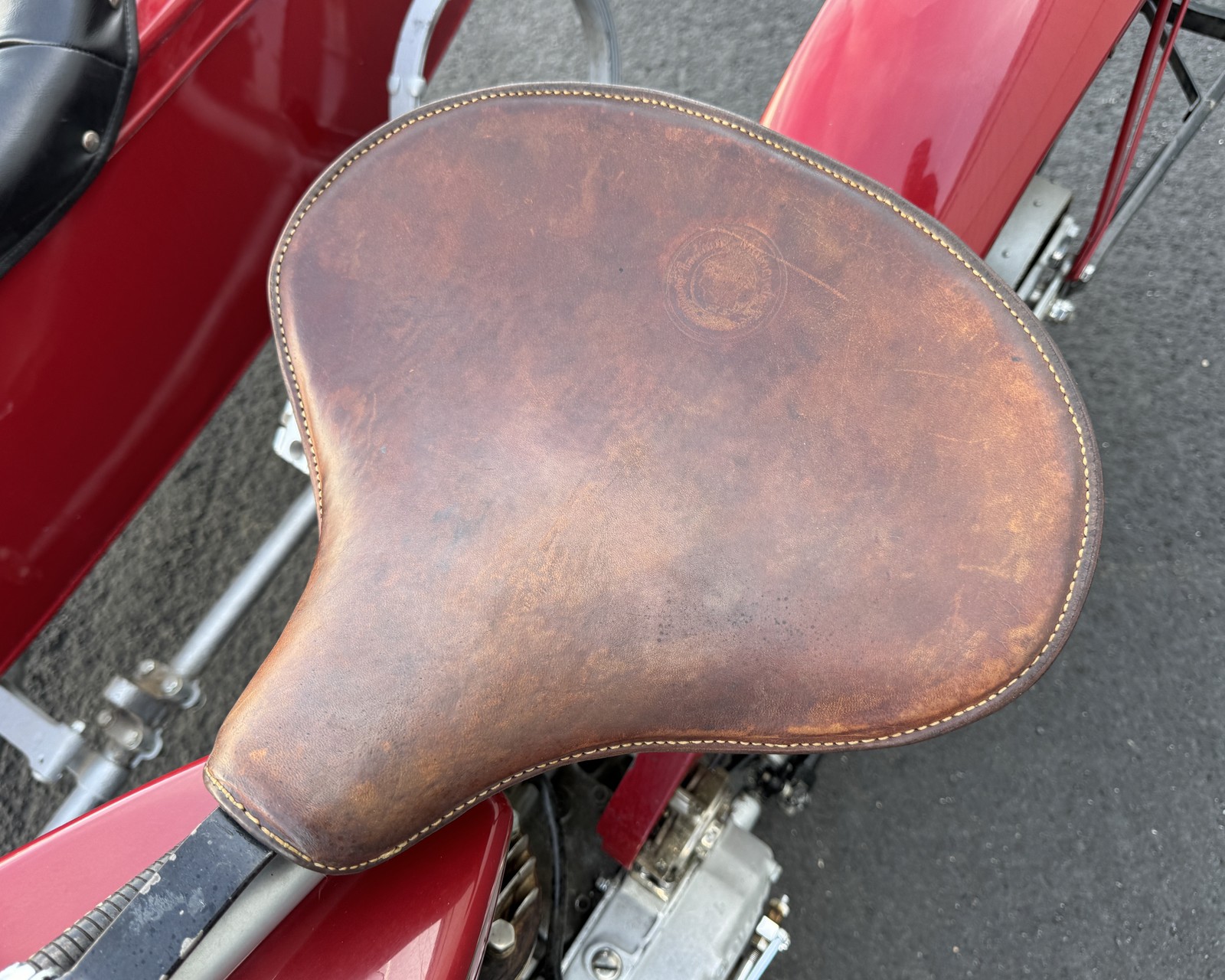
- Rear Suspension: Rigid frame with sprung saddle
- Brakes: Drum front / band rear
- Wheelbase: approx. 57 inches
FLXI (Flxible) Motorcycle Sidecar
History & Technical Data
Historical Background
The Flxible sidecar was invented by Hugo H. Young, a Harley-Davidson dealer and engineer from Mansfield, Ohio. Around 1912, Young began experimenting with a new sidecar mounting system that allowed the sidecar to move independently of the motorcycle.
Traditional sidecars were rigidly attached to the frame, preventing the motorcycle from leaning in corners and often causing the sidecar wheel to lift during turns. Young's solution was a flexible mounting mechanism and tilting wheel system, which dramatically improved stability and handling.
To manufacture the design, Young and Carl Dudte founded the Flxible Side Car Company in 1913, intentionally spelling "flexible" without the "e" so the name could be trademarked.
The sidecars became extremely popular before and after World War I and were used for:
- Civilian transportation
- Commercial deliveries
- Military use (some fitted with machine guns)
- Motorcycle racing in the 1910s-1920s
By the early 1920s, Flxible sidecars dominated American sidecar racing, often finishing first in major competitions.
Eventually, declining demand due to inexpensive automobiles led the company to transition into building buses and specialty vehicles, which later made Flxible Bus Company famous.
Technical Design Features
Leaning Articulated Mount
The most important feature of the FLXI sidecar was its flexible articulated mount.
Unlike rigid sidecars:
- The motorcycle could lean naturally in turns
- The sidecar wheel remained level
- Suspension movement of the sidecar did not upset the motorcycle's balance
This made it far safer and easier to ride than conventional rigid sidecars.
Typical Technical Specifications (FLXI Sidecar Unit)
Manufacturer: Flxible Side Car Company
Location: Loudonville, Ohio
Type: Leaning motorcycle sidecar system
Mounting System
- Articulated flexible frame connection
- Multi-point mounting to motorcycle frame
Sidecar Suspension
- Independent wheel movement
- Tilting wheel assembly
Body Construction
- Early units: sheet metal or steel body
- Seat for one passenger
- Small rear storage trunk
Wheel Size
- Typically matched motorcycle wheel sizes (commonly 26-28 in. during early era)
Weight
- Approx. 120-200 lb depending on configuration
Passenger Capacity
- One passenger or cargo load
Mounting Orientation
- Typically right-side mounted for U.S. road use
Racing Significance
Flxible sidecars became dominant in early American sidecar racing.
Notable highlights:
- Used by factory racers such as Ralph Hepburn in the 1920s
- Featured in early National Sidecar Championships
- Frequently won major events due to superior handling characteristics
Collector & Historical Significance
Today the FLXI / Flxible sidecar is considered:
- One of the first advanced sidecar suspension systems
- A rare pre-Depression accessory
- Important in the development of sidecar racing technology
Surviving examples are extremely scarce and are typically seen only in museum collections or high-end antique motorcycle collections.
Collector Insight:
Because the Flxible sidecar allowed the motorcycle to lean, many historians consider it the most advanced sidecar design of the 1910s, decades ahead of typical rigid sidecar rigs.